Here we will discuss the following:
- Foundational Techniques
- Advanced Methods
- Guided Meditations
- Mindfulness in Daily Life
For now we will leave it open all systems welcome
Here we will discuss the following:
For now we will leave it open all systems welcome
I had an inquiry about Death last few days. So I decided to go ahead and post this practice now, to me it holds it weight etc, it’s after all a buddhist one.
This practice has multiple benefits, look up the bardo’s, its one method to not get stuck in between those states it provides clarity. Also with this practice you can be reborn in a land where its purifying and there are realms you can learn stuff in. If you astrally travel there now, there is a lot to do and interact with. Here is the break-down.
This is just one of the pure land’s there are many. Amitabha also has another aspect, Amitayus as well.
Note: There are multiple ways to address Bardos, this is just one, so just accept it for what it is. if you have an Ishta, that will suffice or other connection to enlightened beings etc. Again like I said multiple benefits etc. For me it was more so gaining experience with different aspects of consciousness, that being buddha consciousness.
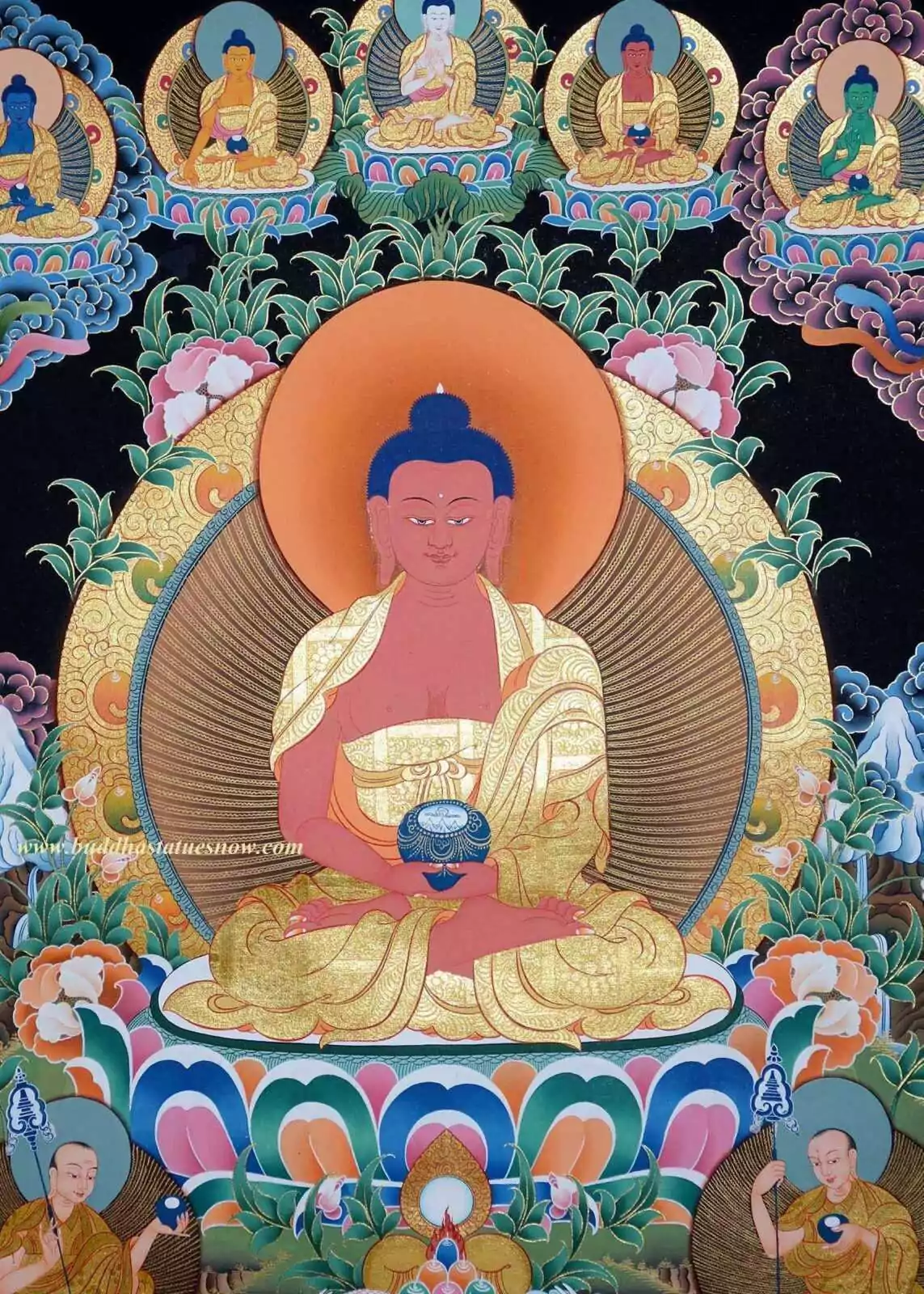
Overview of Amitabha Practice
Amitabha, also known as the Buddha of Infinite Light, is revered for his boundless compassion and his vow to help all beings achieve rebirth in his Pure Land, Sukhavati. The practice of Amitabha is particularly focused on achieving a favorable rebirth in this Pure Land, where conditions are ideal for attaining enlightenment.
Key Elements of the Practice
Om Ami Deva Hrih (Sanskrit: ॐ अमि देवा ह्रीः). x 108
Alternative
Namo Amitabha or Om Amitabha Hrih
This mantra is recited to invoke the blessings of Amitabha, purify negative karma, and facilitate rebirth in the Pure Land.
This is the one that I have personally used.
Namo ratna-trayāya,
Namaḥ āryāmitābhāyā,
Tathāgatāyārhate samyak-saṃbuddhāya, tad yathā,
Oṃ amṛte amṛtodbhave amṛta-saṃbhave amṛta-garbhe,
Amṛta-siddhe amṛta-teje amṛta-vikrānte,
Amṛta-vikrānta-gāmine amṛta-gagana-kīrti-kare,
Amṛta-dundubhi-svare sarvārtha-sādhane,
Sarva-karma-kleśa-kṣayaṃ-kare svāhā.
Benefits of the Practice
Practical Application
The best time to engage in the Amitabha practice is in the morning, during the first hours of daylight. However, it can be performed at any time of the day and still be effective. The best time is when you are alone and not disturbed evenings / night are good too. Short mantra at least 108 times, long form can be reduced (9, 18, 27) better to just set a certain duration per sitting.
The practice is particularly beneficial during times of disaster, misfortune, and during the process of dying, as it helps to calm the mind and heart.
By incorporating these mantras and visualizations into daily practice, individuals can harness the transformative power of Amitabha to enhance their own lives and the lives of others, fostering a deeper sense of peace, compassion, and spiritual fulfillment.
Photo for your reference.
Thank you!!
Could you please send a video of correct pronunciation of a shorter and longer mantras?
I have just meditated, recited both of versions with visualisation and some sort of communication
I loved it, going to do a longer meditation now and try to implement this into my daily practice