Trauma begins with beginningless time

In the last webinar the topic of self-worth, self-esteem and parenting came up and collective unconscious sent me this book.

Having seen great reviews on amazon I decided to read and it is indeed a great book about understanding the role of trauma and how it is passed onto a baby through female psyche. The author clearly lays out the role of female psyche in the development of an adult and in the violence seen throughout history borrowing from the works of Jung, Jungian psychologists and Freud.

It is a known thing in spirituality that the first level of trauma happens when the soul separates itself from Source or God but the author shows how the trauma is passed onto a foetus in the mother’s womb and in first few years after birth even before a baby learns to speak.

The topics discussed validated the realisations that came to me many many years ago that ego is a feminine construct, inflicting pain and violence is a feminine trait which exists in both the genders, and also that women (barring very spiritually advanced) bear children for selfish reasons to be the universe for a baby and experience a kind of love which can’t be found elsewhere.

Dragon Mother: A New Look at the Female Psyche by Michael Tsarion
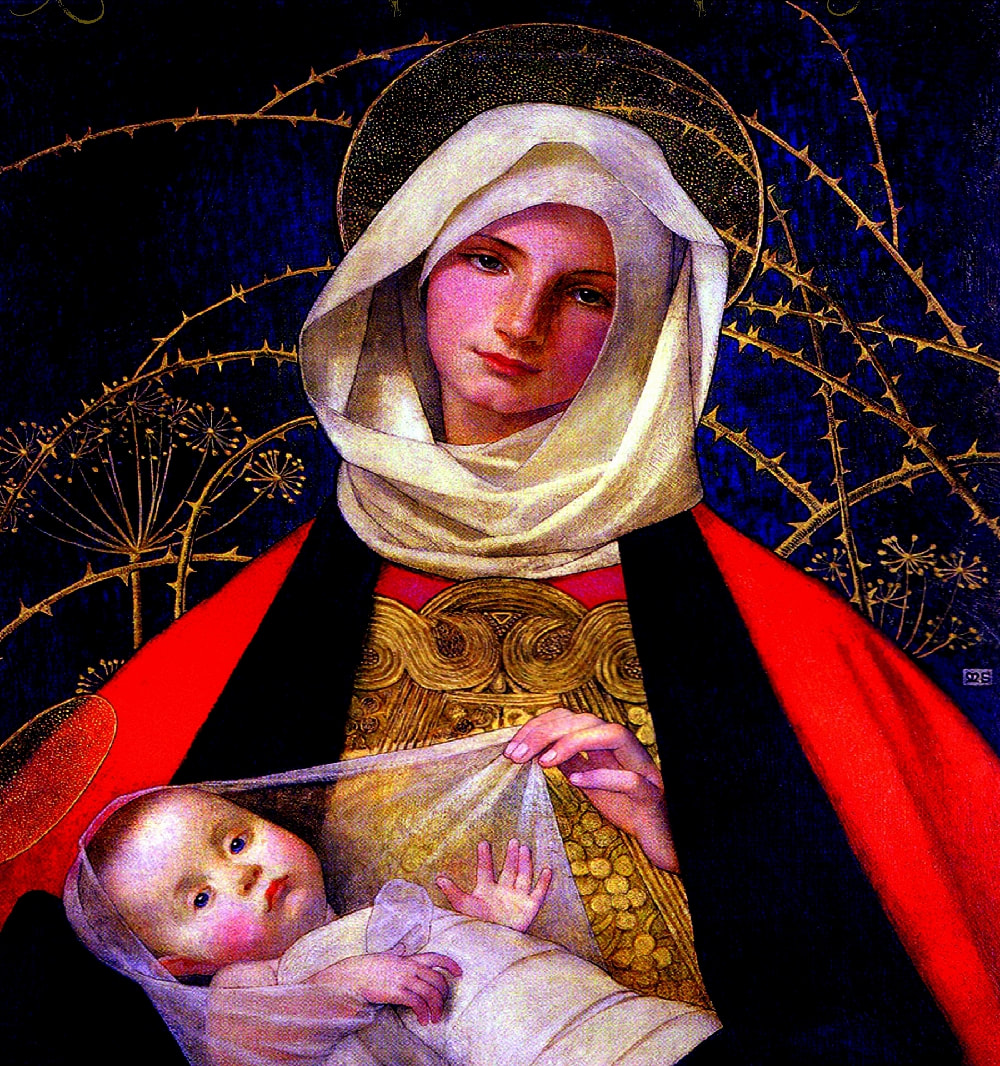
Now this book will probably offend feminists who believe all the evil things in the world are done by men but this book will help to understand how such men became so violent, the roots of trauma and the vicious cycle of pain from mother to a child (boy or girl).

The book is a medium to heavy read (gets heavy in the last chapters) considering the concepts and terms discussed.

Lastly, every guy at least should read this book to integrate his shadow and become the man he wants.

…to secure oneself properly in the solar world and embody the masculine polarity, one must fearlessly confront repressed emotions. This occurs only after one makes an unbiased study of the female psyche, given that it is the ultimate root of the pathological tendencies that impede development during the lunar and solar phases.

4 Likes

In one of the many podcasts I listened, Wim Hof mentioned that there most definitely exist generational trauma. That’s why, he says, when some people visit his retreats and workshops, during some of the breathing sessions, the people go so deep into the cellular level, they start to loosen up those age old (or in this case even older) traumas that were stuck and embedded for such a long time, that they simply have to cry heavily to let it all out. The same can happen during and after the cold exposure. It’s very nice because they then usually get group hugs and you can see they really need it. Plus afterwards they usually say they feel like reborn and have a very different perspective on life afterwards.

Oh I think this little tool we have here might help…:

3 Likes

Yes with energy work like Wim Hof and even massages some amount of trauma is released but in the book the author talks about trauma across levels and trauma in the pysche and integrating the shadow to me is the most difficult thing and even energy work can’t do it on its own.

We still need to work traditionally through journaling or therapy etc and having fields makes it faster which is a huge benefit.

1 Like

While trauma indeed passes intergenerationally, assigning responsibility primarily or exclusively to the feminine psyche deeply misunderstands human nature. Trauma isn’t gendered; it’s a human condition. The idea that ego, violence, or trauma originates solely from the feminine psyche reduces humanity to simplistic binaries and misses the complexity of our inner worlds.

The ego isn’t masculine or feminine…it’s a universal aspect of human consciousness seeking safety, validation, and identity. The soul’s separation from source, as you mention, is not a gendered event but a fundamental spiritual experience shared equally by all beings, independent of gender.

Parenting, too, isn’t inherently selfish or selfless. While some individuals may indeed seek validation through children, parenthood also embodies profound selflessness, unconditional love, and sacrifice…qualities neither gender holds a monopoly on.

By framing violence as inherently feminine, we overlook the countless acts of compassion, empathy, and nurturing that women (and men) perform daily. Similarly, men’s capacity for violence isn’t merely passed from mother to child; it emerges from societal conditioning, trauma, lack of emotional guidance, and internal conflicts experienced across generations, cultures, and genders.

Integrating one’s shadow isn’t simply about understanding the opposite gender’s psyche; it’s about recognizing one’s own unhealed wounds and taking responsibility for them, regardless of their origins. True spiritual growth lies in acknowledging our collective responsibility for healing rather than assigning blame.

So yes, exploring shadow work, trauma release, and integration is important. But this work is universal…not about demonizing femininity, but about compassionately and honestly embracing the full spectrum of our shared humanity. The moment you demonize your femininity, the moment you demonize a crucial part to your whole beingness.

It’s rather difficult to heal unless we transcend blame and understand trauma and ego as human rather than gendered experiences.

15 Likes

To Sammy’s point, there’s a fairly new healing modality called the Belief Code which identifies faulty core belief systems and essentially erases them. It also identifies and releases any associated traumas with that belief system.

I’ve had inherited (received at conception) belief systems and traumas released that spanned multiple generations from both my mother’s and father’s side of the family. I’d say it’s been close to 50/50 in my experience, so I don’t subscribe to the female-only trauma theory either.

3 Likes

Okay…

Just my stupid unwanted opinion

(What the fu*k is wrong with you people?)

How could such a thought even arise.

Brooooo…

I really dunno sometimes.

Its like that song
Spend the days
Smoking wine and drinking haze.

Oh wait… was it the other way?

Maybe you should just forget it all.

23 Likes

The Pain That’s Deeper Than Depression (Deep Hurt)